
The Best Flour for a Sourdough Starter
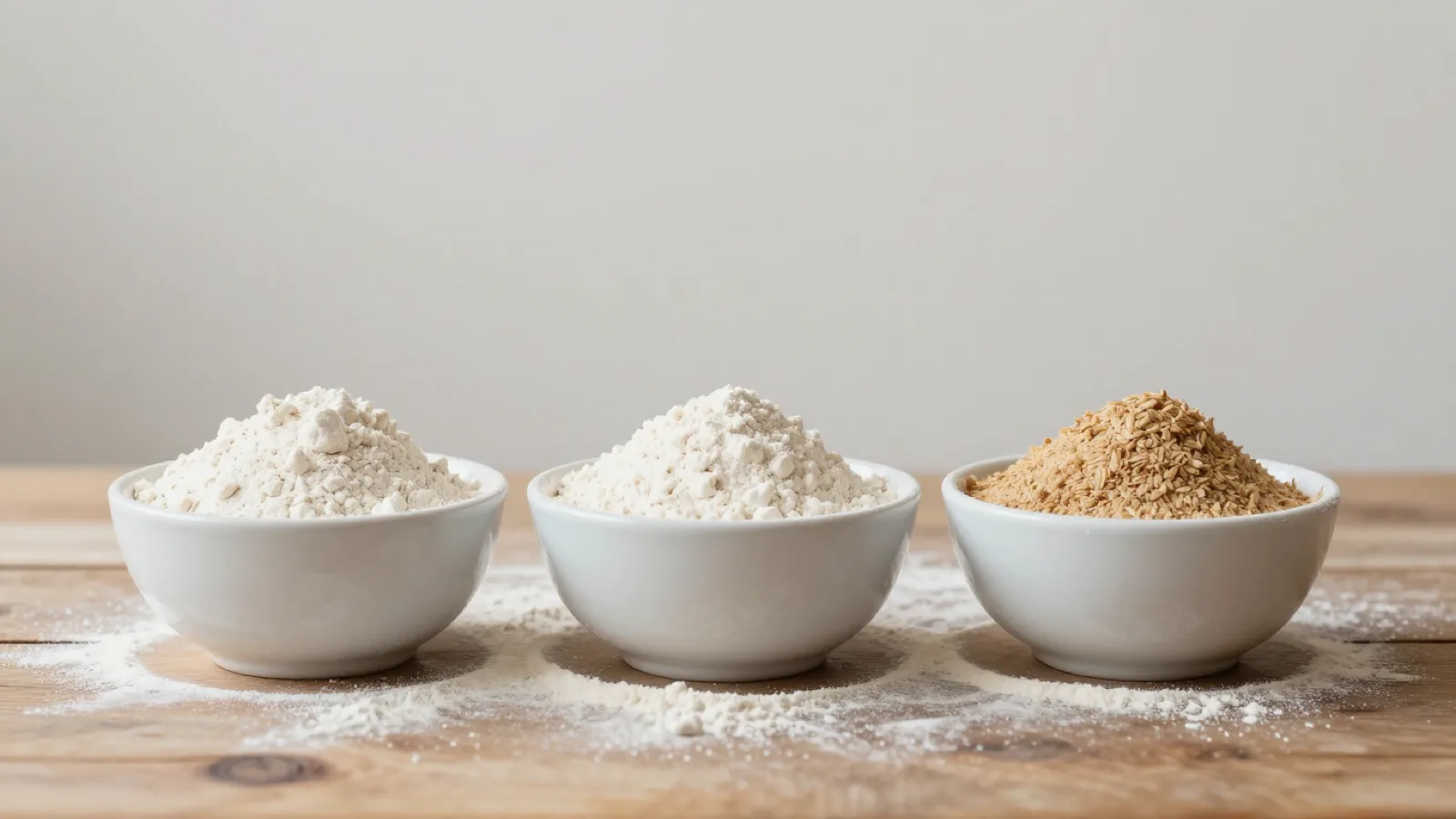
A starter is a colony of wild yeast and bacteria, and flour is the only thing you ever feed it. It's the one variable that changes everything downstream — how fast it rises, how sour it gets, how reliably it behaves.
Never bleached. This one is not a preference.
Bleached flour has been treated with chlorine or benzoyl peroxide to whiten it and age it artificially. That treatment strips out some of the compounds a young culture feeds on, and it's the most common reason a starter someone is trying to build from scratch just sits there doing nothing for a week.
If a bag doesn't say "unbleached" on it, assume it's bleached. It's the single cheapest fix for a starter that won't get going.
Whole wheat and rye get things moving
The bran and germ are where most of a grain's minerals and wild yeast live, and white flour has had both sifted out. Whole wheat and rye still have them, which is why a starter fed on either ferments noticeably faster and smells more alive.
Rye is the most vigorous of the lot. If a starter is being stubborn, swapping one feed for rye is usually enough to wake it up.
White flour makes a milder, more predictable starter
Unbleached all-purpose or bread flour gives you a slower, gentler ferment and a milder flavour. Plenty of bakers keep a white starter for exactly that reason — it's easier to read, and it doesn't push the sourness as hard.
A common middle ground, and the one we'd suggest starting with: feed mostly unbleached white with about a quarter whole wheat. You get the activity without the starter getting away from you.
Freshly milled flour is a different animal
Flour milled the same week still has the oils in the germ intact, along with enzymes that industrial flour loses within days of milling. A starter fed on freshly milled flour ferments faster and tastes considerably more of the grain itself — sweeter and nuttier, less flat.
It's also less forgiving. It moves quicker, so a schedule that worked on supermarket flour will have you missing the peak. Expect to feed more often or shift to a slower ratio.
We mill our own for the bread, which is most of why it tastes the way it does.
Switching flours
Change one feed at a time rather than all at once. A starter adapts within two or three feeds, but it will be unpredictable while it does — which is worth knowing before you conclude something has gone wrong.