
What Makes Sourdough Cinnamon Rolls Different
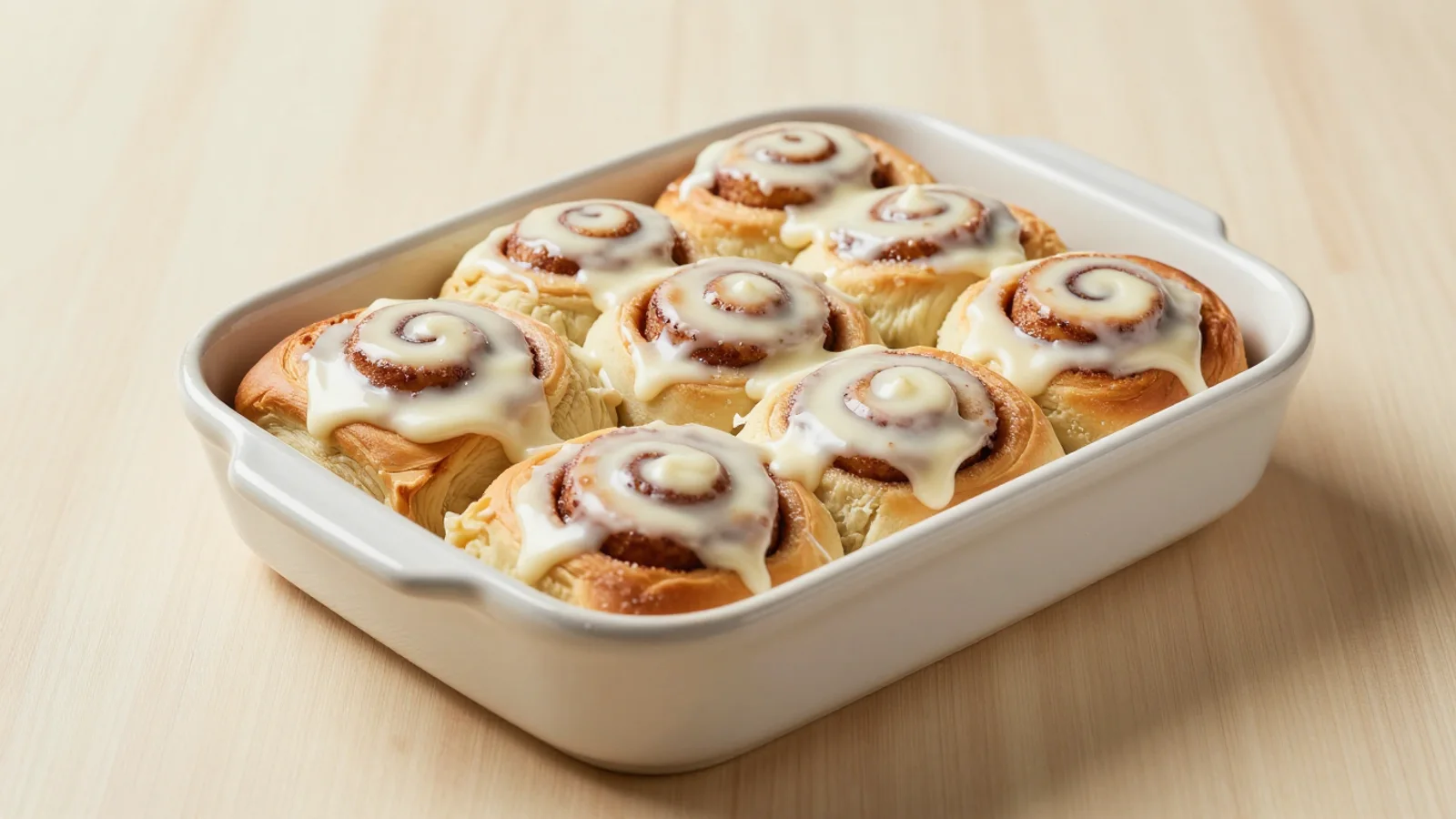
A regular cinnamon roll is made in an afternoon. Commercial yeast, a quick rise, into the oven. It's good warm and noticeably less good the next morning, because there wasn't time for anything interesting to happen to the dough.
A sourdough cinnamon roll is a different animal, and the difference is entirely about time.
The overnight ferment does the flavour work
Our roll dough is built on the same starter as our bread and left to ferment overnight. That slow fermentation develops a faint tang underneath the sweetness — not sour exactly, but enough acidity to keep the sugar and the cream cheese glaze from flattening into one note.
It's the same reason a good buttermilk pancake beats a plain one. Acid gives sweet things somewhere to go.
The texture is the real tell
The long ferment relaxes the gluten, so the crumb pulls apart in soft strands instead of tearing. It also keeps them tender a full day longer than a quick-rise roll.
That staying power matters if you're serving them the morning after pickup, which most people are.
Why we glaze with cream cheese, not icing
Powdered-sugar icing sets into a sweet shell. Cream cheese glaze stays soft, adds a little salt and tang of its own, and melts down into the swirls instead of sitting on top. With a dough that already has some acidity, it's the finish that keeps the whole thing from being one-dimensionally sweet.
Reheating them properly
- Oven: 300°F for 8–10 minutes, loosely covered with foil. Best result by a distance.
- Microwave: 15 seconds, no more. Longer and the crumb goes tough as the sugar superheats.
- Never: the toaster. You will regret it and so will the toaster.
We bake ours by the pan the morning of pickup, glazed while they're still warm enough for it to sink in.